
Where data center projects actually fail in the real world

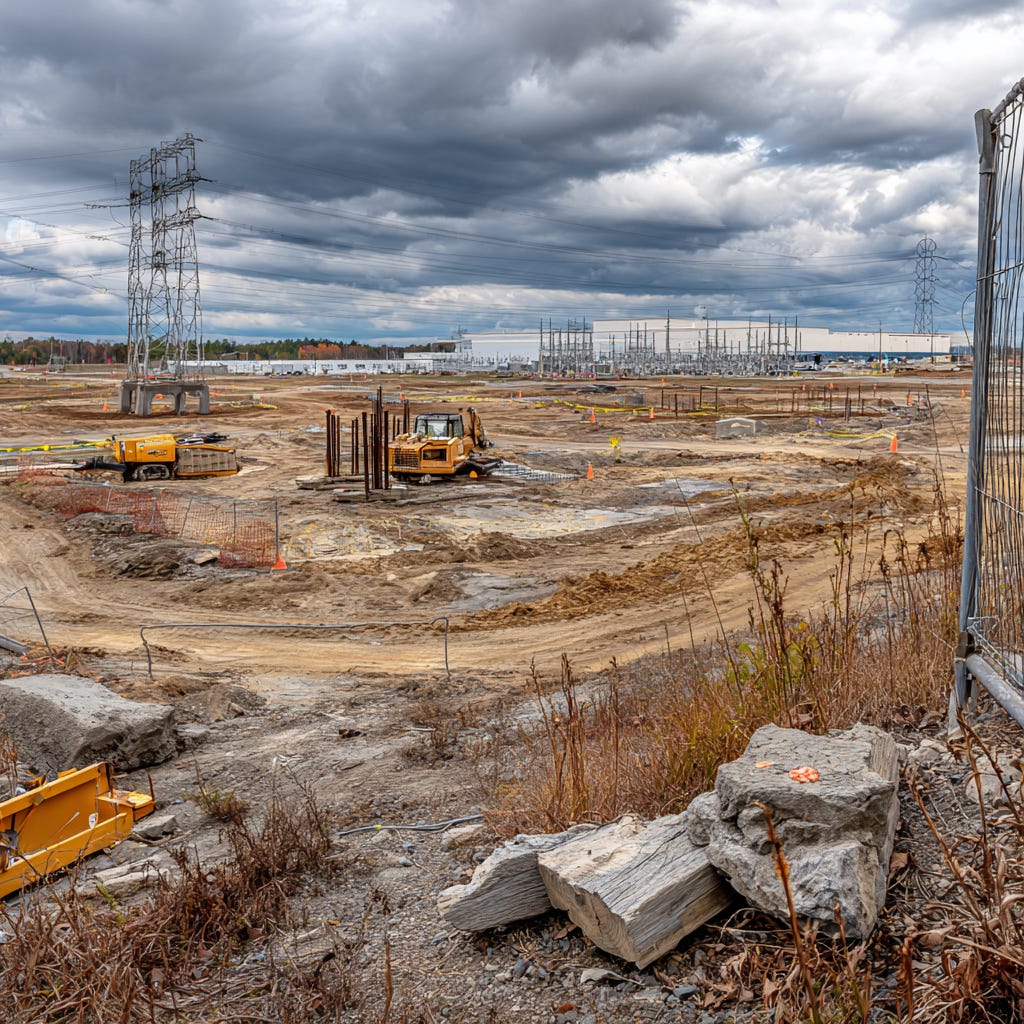
After reviewing dozens of proposals, hearings, and public debates across markets, the pattern is remarkably consistent. Data center projects do not fail because artificial intelligence slows down. They fail because no one stress-tests sequencing early enough.
This matters now because the market is changing shape. As edge and colocation expand beyond a handful of hyperscale hubs, more developers are operating in unfamiliar regulatory, utility, and community environments. Power markets behave differently. Water politics vary by basin. Local opposition is not interchangeable. Experience gaps are widening at the exact moment timelines are compressing.
In the real world, failures rarely look dramatic. Power studies get approved too late to align with tenant expectations. Transmission upgrades are assumed rather than funded. Water availability is treated as a rounding error until it becomes a public issue. Community meetings are framed as a formality instead of a gating risk. None of this shows up in glossy decks or incentive announcements, but all of it shows up in delays, withdrawals, and quiet cancellations.
The most revealing thing about these failures is how ordinary they are. They do not require a collapse in demand or a shift in technology. They emerge from basic institutional friction. Utilities protect ratepayers. Regulators respond to voters. Communities react when cumulative impacts become visible. Projects stall not because anyone is hostile to digital infrastructure, but because the order of operations was wrong from the start.
The implication is straightforward. The next phase of this market will reward discipline over speed. Fewer sites, better sequenced, will outperform volume plays that assume capital can solve institutional constraints. The winners will not be the teams that announce the most capacity, but the ones that eliminate bad sites early and commit only when infrastructure and social license are real.
Many of these failures trace back to basic questions no one asks early enough, which is why I have become far more interested in sequencing than scale.
For readers who want to see how these patterns repeat across markets and years, I explore them in more depth in From Hype to Hard Assets, which looks at how AI infrastructure keeps colliding with physical and institutional limits.
Field Notes are meant to capture what the market is learning the hard way. Right now, the lesson is clear. Most data center risk lives upstream, long before anyone is counting racks or leases.